
The Rise and Fall of LIV Golf: Saudi Billions, Broken Promises, and a Return to Golf’s Roots

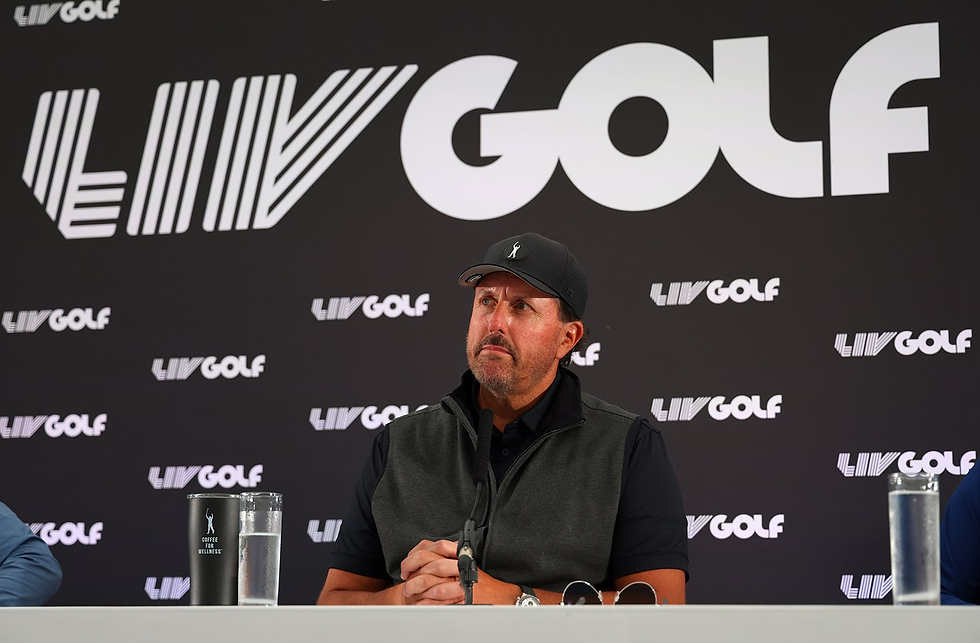
It was supposed to be the revolution that saved professional golf. Instead, LIV Golf is limping toward an uncertain end, its Saudi millions drying up and its biggest stars quietly eyeing the exit doors.
Launched in 2022 with the backing of Saudi Arabia’s Public Investment Fund (PIF), LIV arrived like a wrecking ball. It dangled nine-figure guaranteed contracts in front of PGA Tour stars, promising a flashy, fan-friendly alternative: 54-hole tournaments, no cuts, shotgun starts, and a team format that felt more like a made-for-TV spectacle than traditional stroke play. Phil Mickelson, Dustin Johnson, Brooks Koepka, Bryson DeChambeau, Jon Rahm, and others jumped ship, lured by the cash and the chance to “grow the game” on their terms.
Watch the early hype: LIV Golf announcement press event
The disruption was real. Lawsuits flew. The PGA Tour cried foul. For a brief moment, it looked like the old guard might actually have something to fear.
But the revolution never came.
From day one, LIV struggled to connect with actual golf fans. Television ratings have been an unmitigated disaster. While PGA Tour events routinely pull 2.6 to 3.1 million viewers for final rounds on CBS and NBC, LIV has scraped by with averages in the low hundreds of thousands — often as low as 23,000 to 49,000 for entire tournaments on FS1 and Fox. Even its “biggest” audiences (under 500,000) pale next to mid-tier PGA events. In-person attendance has shown occasional flashes — some record crowds in markets like Adelaide — but it hasn’t translated into mainstream appeal or advertiser interest. The product simply never caught fire with the core golf audience that tunes in week after week.

Now the chickens are coming home to roost.
The same PGA stars who abandoned ship for the Saudi cash are now looking for ways back. Brooks Koepka and Patrick Reed have already returned (or are in the process), taking advantage of the PGA Tour’s “Returning Member Program.” Others, including DeChambeau and Rahm, remain under contract through at least the end of 2026, but reports indicate their camps are quietly exploring options as the writing appears on the wall.
Watch Koepka’s return announcement coverage
The early returns for the defectors haven’t exactly been awe-inspiring. Koepka, once a major champion machine, has posted respectable but far-from-dominant results since rejoining — top-10s mixed with missed cuts and no signature wins to quiet the skeptics. Reed has found some success overseas on the DP World Tour but has yet to make a major splash back on the PGA circuit. The “LIV guys” who came back haven’t exactly lit the world on fire, reminding everyone that guaranteed money doesn’t guarantee performance when the pressure of real competition returns. Also, fan acceptance seems a bit lukewarm.
As for the LIV 2026 season itself? It’s still chugging along. Events are proceeding largely as planned, with prize money guaranteed through the end of the year. One tournament (New Orleans) has been postponed, but the rest of the schedule — Virginia, Korea, Spain, the UK, and beyond — remains intact. CEO Scott O’Neil has insisted the league is operating “at full throttle.”
But 2027 and beyond? That’s where the wheels come off.
The PIF is pulling the plug after this season. After pumping more than $5 billion into the venture — with annual losses in the hundreds of millions — Saudi leadership is shifting priorities. Yasir al-Rumayyan has stepped back from the board, and new strategic plans make no room for ongoing golf investment. LIV is now scrambling for new backers, but good luck finding anyone willing to write nine-figure checks for a product that has delivered abysmal returns on investment.
Winners and Losers in the Golf War
Although LIV Golf’s grand experiment is collapsing, the biggest winners of the golf civil war have been the PGA Tour’s elite players. Faced with genuine competition for the first time in decades, the PGA Tour dramatically increased prize money across the board. Total purses jumped more than 33 percent in a single season early on (from roughly $367 million in 2021 to over $560 million by the 2022-23 season) and now exceed $550 million annually. Signature Events that once offered $8–12 million purses were boosted to $20 million each, while The Players Championship now boasts a $25 million purse. Limited-field events (typically 70-78 players) and smaller overall field sizes in many tournaments have funneled a much higher percentage of the Tour’s total income straight to the top stars — who now routinely clear $20 million or more in a season.

In contrast, mid-tier and lower-ranked players on the PGA tour have been the clear losers. Smaller fields in Signature Events and the creation of these high-stakes, no-cut showcases have sharply reduced opportunities for rank-and-file pros to compete for life-changing money or excel on the big stage. Developmental circuits like the Korn Ferry Tour have seen resources strained as the Tour prioritized retaining its biggest names, with fewer advancement cards available and greater pressure on the lower rungs of the ladder.
Why did LIV Fail?
The LIV model was dependent on a single deep-pocket sponsor - the Saudi Public Investment Fund. Contrast that with the PGA Tour’s far more sustainable model. The Tour spreads risk across multiple corporate sponsors for each event. If one sponsor walks, only that tournament is affected — not the entire schedule. PGA events also command dramatically higher television ratings, making it far easier to quickly attract replacement sponsors. The numbers don’t lie: traditional golf still draws the eyeballs, the advertisers, and the long-term stability.
Conclusion
LIV’s grand experiment in disruption is effectively over. What started as a brash challenge to the establishment has become a cautionary tale about what happens when massive money tries to buy its way into a sport that values tradition, competition, and — most importantly — fans who actually show up to watch.
The civil war in golf is winding down. The PGA Tour stands taller than ever. And the Saudi billions? They bought a lot of headlines, a few big names, and one very expensive lesson in how not to reinvent the game.


