PGA Tour’s Big Rebuild: What Fans Will Actually See in 2028

The PGA Tour is about to look very different. Under new CEO Brian Rolapp, the organization is rolling out the biggest competitive overhaul in decades, set to take full effect in 2028. For everyday fans, the changes are designed to make the product simpler, more dramatic, and easier to follow — with the best players facing each other more often.

What the New System Looks Like for Fans
Starting in 2028, the Tour splits into two clear tracks.
The top tier — the Championship Series — will feature roughly 23–24 events running from February through August. These include the four majors, The Players Championship, the Ryder or Presidents Cup, a reimagined postseason with match-play elements, and a set of high-stakes regular-season events with purses of at least $20 million. Fields will be about 120 players, with a 36-hole cut. No sponsor exemptions. No alternate list. When you turn on a Championship Series event, you should see most of the game’s biggest names competing head-to-head.
Below that sits the Challenger Series: at least 20 events with smaller purses (starting at $4 million) that serve as the main pathway to the main tour. Top performers get promoted. Those who underperform in the Championship Series can be relegated. The season ends earlier than the old model, giving elite players room for international events in the fall and creating a cleaner storyline that finishes before the NFL fully takes over the sports calendar.
From a fan’s chair, the pitch is straightforward: fewer events that feel like “just another week,” more weeks where the stars show up, clearer standings, and a postseason that actually builds drama. The Tour wants appointment viewing instead of a year-long blur of 40-plus tournaments of varying importance.

Player Pushback
Not everyone is cheering. Many players have raised legitimate concerns about the compressed calendar and lost flexibility.
The top tier packs a heavy load into seven months. Stars have warned that playing more than three weeks in a row is punishing on the body and mind. Scottie Scheffler and others have noted the physical and family toll. Tommy Fleetwood has spoken about the mental strain that comes with constant high-stakes competition without enough recovery.
A bigger practical complaint: Championship Series players will not be allowed to drop down and play Challenger or traditional lower-profile events. That means hometown or regional tournaments that stars have long supported — think Scheffler at the Byron Nelson — could lose those big names. Lucas Glover called the restriction something that “kind of stinks.” Rank-and-file players worry about fewer opportunities overall.
Jack Nicklaus has been blunt. The 18-time major champion said he is “not exactly in favor” of the direction, particularly the bunching of big events too close together. He argues it makes individual tournaments harder to stand out and leaves players without enough time to recharge. Nicklaus met with Rolapp and has made clear he wants the Tour to listen.

The Competitive Landscape Driving the Changes
These reforms did not appear in a vacuum. Professional golf has been under real pressure.
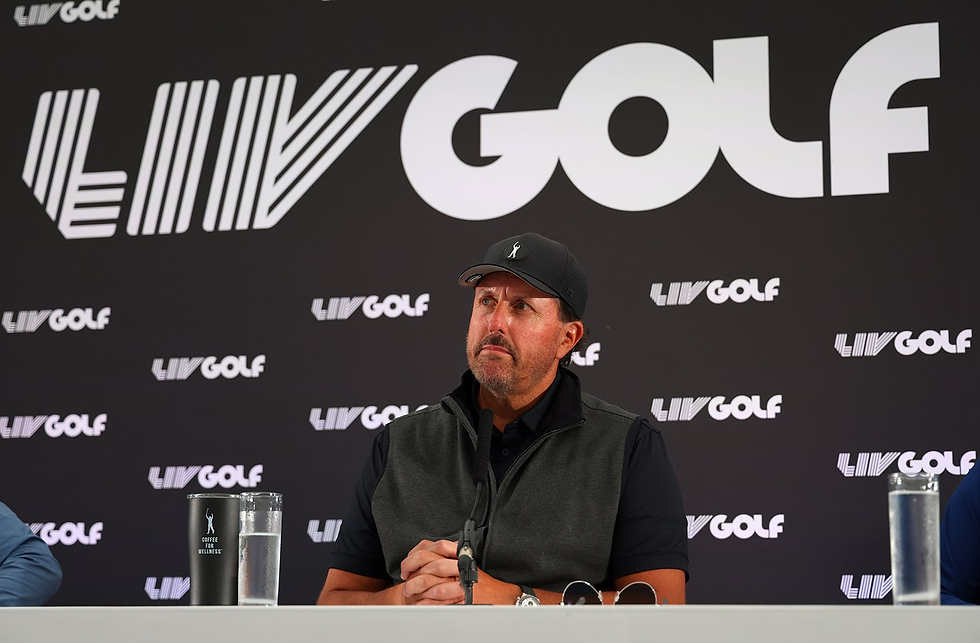
LIV Golf, once the existential threat, is now on life support. Saudi funding is drying up after billions in losses. Events have been postponed or canceled. Players and executives are looking for exits. The Tour no longer needs to match inflated guarantees to keep talent home, but it still has to prove it can deliver a product strong enough to own the market once LIV fully recedes.
At the same time, YouTube golf has exploded. Creator channels and their tournaments draw massive young audiences with personality-driven, accessible content that traditional broadcasts often lack. The PGA Tour has responded by creating a Creator Council, hosting influencer events on tournament grounds, loosening social-media rules so players can post more content, and even handing a title sponsorship to Good Good for a 2026 event. Digital consumption is where younger fans live. The Tour knows it has to compete there or risk losing the next generation.
Traditional television ratings and media-rights negotiations also factor in. Rolapp, a longtime NFL media executive, is applying lessons about scarcity, packaging, and clear narratives. A tighter, star-heavy schedule is easier to sell to networks and streaming platforms than a sprawling calendar full of uneven fields.
Risks Versus Potential Benefits
The upside is real. A cleaner product with more frequent elite matchups could boost interest, strengthen media deals, and make every Championship Series week feel meaningful. Promotion and relegation add genuine stakes. Ending the season earlier opens doors for more player participation in global play and avoids total overlap with football. If executed well, fans get a more compelling, easier-to-follow Tour. If this pans out the way Rolapp hopes it should, it should translate to happier advertisers.
The risks are equally clear. A denser schedule could lead to more player injuries, burnout, and strategic absences — the exact “load management” problem the changes are supposed to reduce. Banning top players from lower events may weaken community ties and hurt traditional tournaments that have long depended on star appearances. Mid-tier players and sponsors of demoted events could feel squeezed. Over-correcting toward a rigid, NFL-style model risks stripping away some of the freedom and regional flavor that have always defined the PGA Tour.
Jack Nicklaus’s warning is worth hearing: when too many big events are jammed together, none of them stand out as much. Tradition and recovery time matter.
The Tour is betting that a more coherent, high-stakes product will win more fans than it loses. Whether that bet pays off will depend on the final details still being worked out and whether players buy in enough to keep the fields strong. For now, the 2028 model is the clearest signal yet that the PGA Tour is done reacting and is trying to seize control of its own future. Fans will find out soon enough if the new version is actually more fun to watch.