
Ongoing Federal Investigations into Fraud in California

Repeat Offender Paul Richard Randall’s $270 Million Medi-Cal Scheme Highlights Systemic Vulnerabilities and State Policy Critiques
Federal prosecutors in California are intensifying their efforts to combat waste, fraud, and abuse in state-administered public programs, with the high-profile guilty plea of career fraudster Paul Richard Randall serving as a stark example. In a Fox Business interview aired this week, First Assistant U.S. Attorney Bill Essayli for the Central District of California directly linked the case to broader ongoing investigations while criticizing California’s criminal justice reforms and “emptied prisons.”
The Randall Medi-Cal Fraud Scheme: A “Personal Piggy Bank” for Taxpayer Funds
Paul Richard Randall, 66, of Orange, California, pleaded guilty on April 7, 2026, to one count of wire fraud committed while on supervised release. According to the U.S. Department of Justice, Randall and co-conspirators Kyrollos Mekail (owner of Monte Vista Pharmacy in Moreno Valley) and nurse practitioner Patricia Anderson exploited a temporary Medi-Cal waiver that suspended prior-authorization requirements for certain medications.
Between May 2022 and April 2023, the group submitted more than $269 million in fraudulent Medi-Cal claims for 19 expensive, non-contracted prescription drugs containing low-cost generic ingredients. Many claims were for medically unnecessary drugs that were never provided to patients. Medi-Cal paid out approximately $178.7 million before the scheme was shut down.
“This defendant used a public health program as his personal piggy bank,” Essayli stated. Randall has been in federal custody since June 2025 and faces up to 30 years in prison at his sentencing hearing scheduled for August 3, 2026. He has also agreed to forfeit millions of dollars in assets, including bank accounts, vehicles, real property, and sports memorabilia.
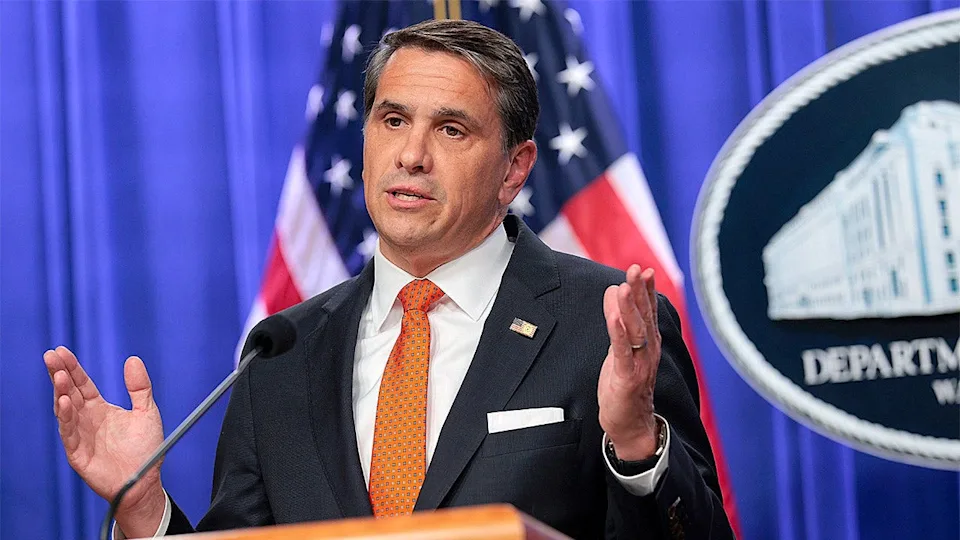
California fraud concerns ramp up as a man pleads guilty to a massive scheme using taxpayers as his 'piggy bank.'
A Repeat Offender with Decades of Healthcare Fraud
Randall is far from a first-time offender. Court records show a pattern spanning over 30 years:
1993 Racketeering Conviction: Convicted in a scheme involving the fraudulent purchase and resale of wooden shipping pallets; served 21 months in federal prison.
2012 “Operation Spinal Cap” Guilty Plea: Randall played a central role in one of California’s largest healthcare fraud scandals. As a hospital marketer, he pleaded guilty to conspiracy to commit mail fraud involving kickback schemes that funneled patients into unnecessary spinal surgeries at facilities like Pacific Hospital of Long Beach and Tri-City Regional Medical Center. The broader investigation uncovered hundreds of millions in fraudulent claims, including counterfeit surgical hardware and illegal kickbacks. Randall cooperated with authorities and received a reduced sentence.
Prosecutors emphasized that Randall reoffended while still under federal supervision from prior cases—underscoring gaps in oversight.
Broader Ongoing Investigations: A Federal “War on Fraud” in California
The Randall case is just one front in an active federal crackdown. Essayli’s office has launched multiple task forces targeting fraud in healthcare, homelessness programs, and other federally funded initiatives. Recent actions include:
Hospice and Healthcare Fraud Takedown (April 2026): Eight individuals—including doctors, nurses, a chiropractor, and a psychologist—were arrested in connection with schemes totaling over $50 million. The defendants allegedly ran fraudulent hospice facilities that billed Medicare and Medi-Cal for patients who were not terminally ill. Essayli described California as the “kingdom of fraud” due to lax oversight and unvetted medical licenses.
Homelessness Fraud Task Force: Established to investigate billions spent on homelessness initiatives with little accountability.
CMS and HHS Audits: Federal reviews estimate Medi-Cal fraud rates of 15–25% in recent years, potentially costing taxpayers tens of billions of dollars since 2019 amid program expansion.
Essayli has vowed a “zero-tolerance policy” and described the Trump administration’s focus on recovering misused federal funds. Additional probes target pharmacy schemes, kickbacks, and improper payments across Southern California.

We Must Stop Bill Essayli Before It's Too Late - Knock LA - U.S. Attorney Bill Essayli, leading the federal effort against fraud in California programs.
California’s Lax Enforcement and “Emptied Prisons”: A Policy Spotlight
Essayli has repeatedly tied these cases to the state’s criminal justice policies: “They have emptied the prisons. They let out 90,000 prisoners in the last 10 years. They do not believe in putting people in prison in the state of California… Fraudsters have gotten the message: if I get caught, I’ll just get a slap on the wrist.”
Data backs the scale of reductions:
California’s prison population peaked near 170,000 in the mid-2000s.
It has since fallen to approximately 87,600–90,300 by early 2026—the lowest level in decades—due to policies including:
Public Safety Realignment (AB 109, 2011): Shifted non-violent offenders to county supervision.
Proposition 47 (2014): Reclassified certain felonies as misdemeanors.
COVID-19 releases and ongoing reforms: Early releases, parole changes, and prison closures (five state prisons closed under Gov. Newsom, with more possible).

Mass Incarceration: The Whole Pie 2025 | Prison Policy Initiative - Chart illustrating trends in incarceration and electronic monitoring (Prison Policy Initiative data reflecting broader national and state declines in traditional prison populations).
Critics argue these reforms, while reducing overcrowding, have weakened deterrence for repeat and white-collar offenders. Federal authorities continue to recover funds where possible, but the Randall case and parallel hospice prosecutions have reignited debate over whether California’s approach prioritizes leniency over robust enforcement of programs serving the vulnerable.
As investigations expand, Essayli’s office signals that more charges—and recoveries—are forthcoming in what it calls a statewide “war on fraud.” The Randall sentencing in August will serve as an early test of the federal resolve to hold repeat offenders accountable.


