
Why California Diesel Is $8: It Isn’t a Shortage of Crude Oil

Diesel moves the North State. Logging trucks, cattle haulers, grocery trailers, gravel, and harvest equipment all drink it. When the national average crossed $6 a gallon this month — and California pumps ran well past $8 — that was not a Redding quirk. It was our bill for a world short of finished diesel, not a world short of oil in the ground.
America is pumping crude at record rates. American refineries are running at almost full capacity. The missing piece is diesel that used to be made and shipped from the Persian Gulf and Russia. The loss of those suppliers has hit Europe and Asia the hardest. Foreign buyers are willing to pay more for American diesel than farmers and truckers here. That is why the shortage shows up on Interstate 5.
What you are paying
The national auto club has regular gasoline at about $4.44 a gallon and diesel at about $6.40 — a record for diesel. California is still the most expensive large market. Here, you can expect to pay $1-$1.50 extra a gallon.


America is making diesel. Stocks are still thin.
U.S. plants have been running at mid-to-high 90s percent of capacity. Diesel output has been strong. They are not sitting idle.
Stocks are still low — about 108 million barrels in mid-September, below the usual range for this time of year. Federal forecasters expect them to fall under 100 million barrels this month, the tightest in more than 20 years.
The reason is exports. The United States has been shipping about 1.6 million barrels of diesel a day, and hit near 1.9 million earlier this summer. In a heavy week, that is roughly a third of what our plants make. Latin America is the usual customer. Europe showed up after Russian diesel vanished. Asia bids when prices are high enough.
So U.S. demand did not suddenly explode. The world ran short, the world price jumped, and Houston sold into that price. We pay the world price.
This is not “America ran out of oil”
The Strait of Hormuz is the narrow waterway at the mouth of the Persian Gulf. Before the Iran war, it carried about 21 million barrels a day of oil liquids: roughly 16 million of crude and about 5 million of fuel that was already refined — mostly diesel, but also jet fuel, gasoline.
When that waterway seized up, diesel was hit three ways. Only one of them is “less crude.”
Finished diesel stopped sailing. Those five million product barrels were already diesel, loaded in Saudi Arabia, Kuwait, and the Emirates, headed mostly to Asia. A crude tanker sneaking out is not a diesel cargo.
Plants in Asia that lived on Persian Gulf crude made less diesel. Lighter substitute oil often yields more gasoline and less diesel unless the plant has extra gear to convert it. The world is short of that gear. U.S. shale can replace some crude. It cannot instantly replace diesel.
Russia is a separate cut: smashed refineries and a ban on diesel exports. Europe and Brazil then came to the U.S. Gulf looking for the same gallon.
The waterway is not “back to normal”
This week, ship-trackers counted as few as three cargo ships crossing on Wednesday. Before the war, it was tens of ships a day. Some tankers hide their beacons, so the official count is low. Hidden is not normal.
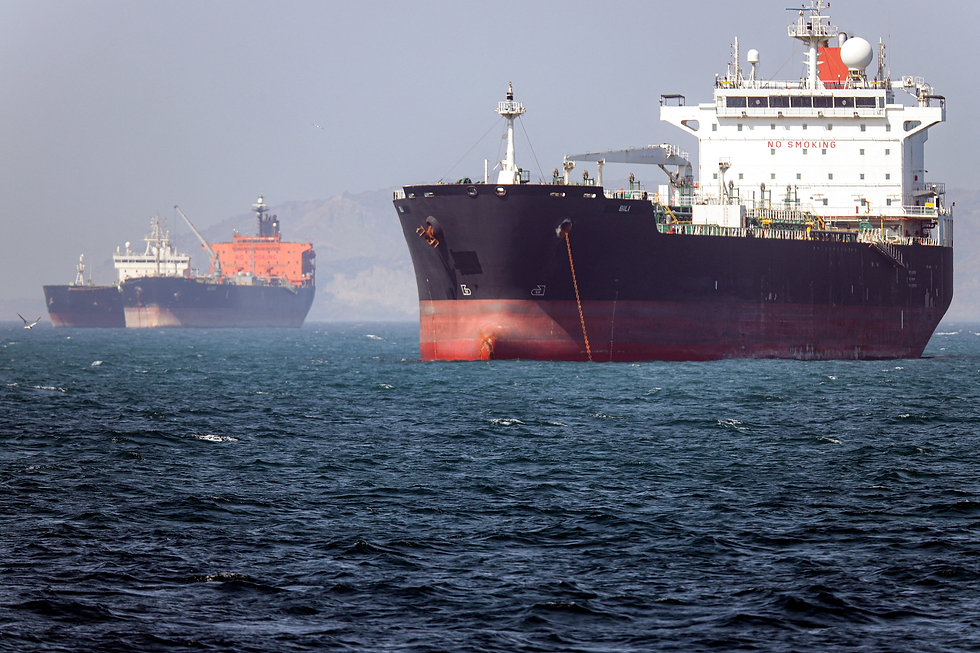
The detours move crude. They barely move diesel.
There has been a lot in the news about pipelines that help bypass the Strait. Saudi Arabia’s major land pipeline to the Red Sea port of Yanbu can move about seven million barrels a day— mostly crude oil. It was built to skip Hormuz. In this war, it was filled with crude so oil contracts could still load. It cannot do that and also carry finished diesel.
Yanbu’s own refineries can make some diesel on the Red Sea side. That is useful. It is hundreds of thousands of barrels a day, not the millions that used to leave the Gulf. In mid-September, drones hit that pipeline. Loadings stopped. And ships leaving Yanbu south still face the Red Sea war risk.
The Emirates already has a crude pipeline to Fujairah, on the open ocean side of Hormuz. It moves about 1.5 to 1.8 million barrels of crude a day. A second crude line is aimed at 2027. Neither carries diesel. The big Emirates refinery still sits on the Gulf side.
In June, the Emirates said it may build a fuel pipeline to Fujairah so diesel and jet fuel could leave without going through the strait. That project matters, but it is years from coming online.
Until fuel — not just crude — can leave from a safe coast, a Hormuz cutoff will keep showing up as missing diesel.
Why our plants cannot just “make more”
Diesel is built inside a refinery. It is not pumped from a well. Global green regulations spent a decade closing that machinery, and wars took more offline. Also, plants shut down for repairs in the fall, just as harvest demand rises and on the eve of winter's demand for heating oil. Skip the repairs, and you risk bigger outages from refinery fires.
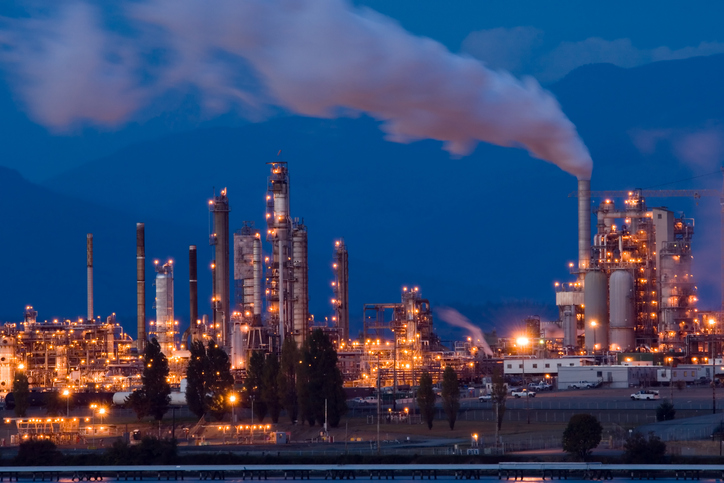
Renewable diesel from crops and waste fat helps a little. Federal data shows it rising this year and next. It does not replace millions of barrels of missing Gulf and Russian diesel.
Let's just build a new refinery
A brand-new giant refinery takes a decade to clear regulatory hurdles and finish construction. A ban on U.S. diesel exports would keep some gallons home for a few weeks, but at Latin America's expense, with nowhere to buy. Green regulations that have closed more California refineries have not helped keep logging trucks on the road. California imports to cover its own shortage.
What would actually help
This fall: Keep fuel trucks moving. Washington already eased driving-hour rules for fuel haulers for 90 days. That is the right kind of move. Do not force plants to skip safety repairs. Treat the fight over Gulf fuel shipments — not just crude — as a grocery-price issue.
Next year or two: Pay to upgrade the units inside existing U.S. plants that turn oil into diesel. Refiners have told the White House they need that, not a ceremonial new complex. Run the renewable-diesel plants we already have. Do not write blending rules they cannot physically meet.
The longer haul: Stop treating coastal refineries as plants to close. Point new tax relief at diesel-making equipment, not at simple oil boiling. Let's get started on those new refineries. Overseas, back a fuel pipeline to Fujairah and refining on the safe side of the Persian coast — not only another crude pipe.
America cannot replace millions of lost foreign barrels by Thanksgiving. It can keep its plants running, add a little diesel-making capacity, and stop pretending a crude detour is a diesel cargo.
Bottom line
This is not 1973. It is not “Big Oil won’t drill.” American wells are producing. American refineries are running. The world is short of the machines that turn oil into diesel, and two wars took a chunk of those machines offline. Land pipelines moved some crude around Hormuz. They did not move the finished diesel.


