
Trump Signs Executive Order on Childhood Vaccine Recommendations

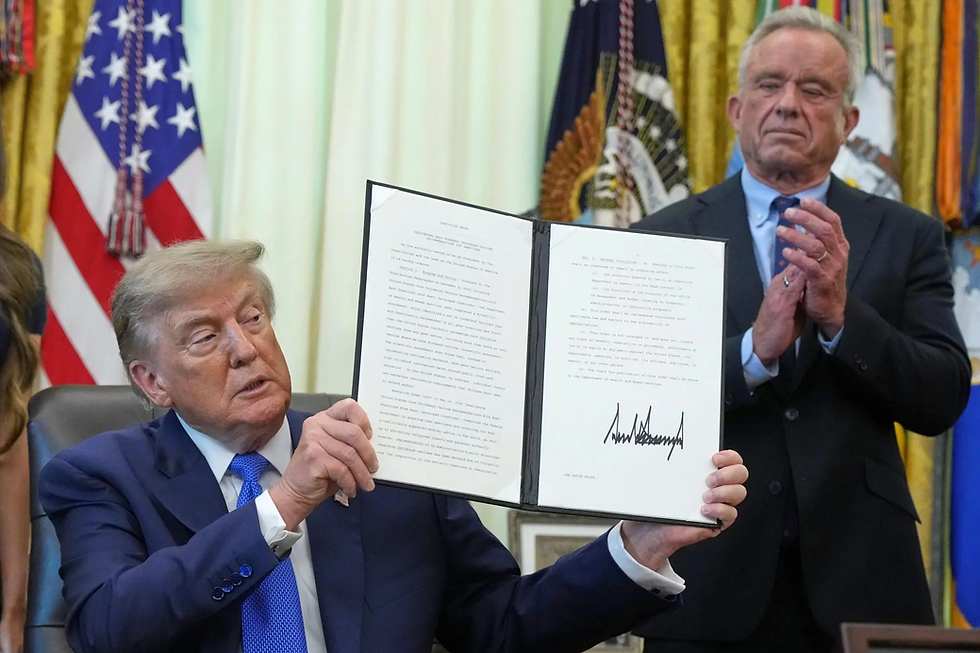
WASHINGTON — President Donald Trump signed an executive order on August 10 establishing what the administration calls “Gold Standard Childhood Vaccine Recommendations.” The order seeks to reduce the number of vaccines routinely recommended for all children, space out administrations, and strengthen protections for religious and medical exemptions.
The order divides childhood immunizations into three categories based on a scientific assessment comparing U.S. recommendations with those of peer-developed nations:
Recommended for all children: measles, mumps, rubella, diphtheria, tetanus, pertussis, polio, Haemophilus influenzae type B (Hib), pneumococcal disease, human papillomavirus (HPV), and varicella (chickenpox).
Recommended for certain high-risk groups or populations: respiratory syncytial virus (RSV) monoclonal antibodies, hepatitis A, hepatitis B, meningococcal B, meningococcal ACWY, and dengue.
Shared clinical decision-making (decided between parents and clinicians): hepatitis A, hepatitis B, rotavirus, meningococcal disease, influenza, and COVID-19.
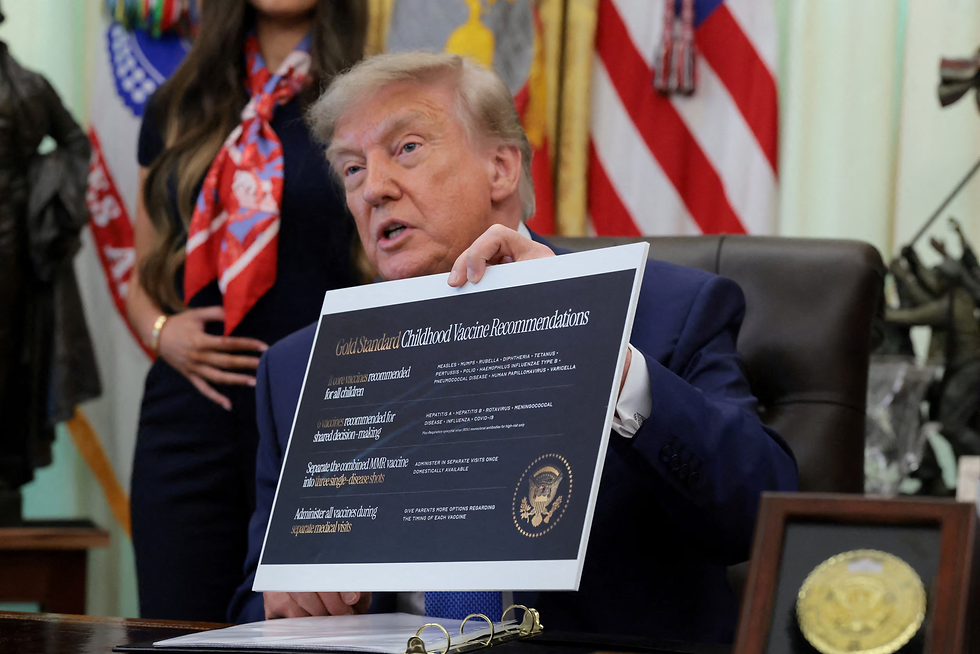
This reduces the number of diseases for which vaccination is universally recommended from the previous CDC list of roughly 17–18 to 11. The White House cited data showing the United States had recommended more childhood vaccines and doses than any peer nation, including more than twice as many doses as some European countries.
The order also recommends that the combined measles-mumps-rubella (MMR) vaccine be administered as three separate single-disease shots once such products become domestically available, and that, to the maximum extent feasible, childhood immunizations be given at separate medical visits rather than multiple shots in a single appointment. Administration officials described these steps as measures to reduce the volume of vaccines administered at one time and to give parents greater flexibility in timing.
On exemptions, the order directs the Attorney General to pursue appropriate legal actions against state laws that conflict with constitutional and federal obligations regarding parental authority, religious freedom, disability accommodations, and equal protection. It specifically references states’ obligations to provide religious and medical exemptions from childhood and adolescent immunization requirements. Federal departments are instructed to ensure contractors and grantees, including states and localities, comply with these protections. Currently, in California, there is no religious exemption from childhood vaccines required for public and private school entry.
The executive order advises states that maintain school vaccine requirements to consider updating their laws to reflect the new federal recommendations. It builds on a December 2025 presidential memorandum and a May 2026 executive order that directed Health and Human Services to realign recommendations with practices in peer countries. Earlier attempts this year by HHS Secretary Robert F. Kennedy Jr. to revise the CDC schedule faced federal court challenges.
Public health organizations, including the American Academy of Pediatrics, and some vaccine manufacturers have criticized the changes, arguing that the existing schedule is supported by decades of evidence showing vaccines safely protect against serious disease and that combination vaccines and concurrent administration are effective and reduce missed doses. Despite the AAP assurances, rates of autism in the U.S. continue to climb. Currently, approximately 1 in 31 children (3.2%) aged 8 years has been identified with autism spectrum disorder (ASD). Officials note that separate single-disease MMR vaccines are not currently available in the United States.
The order does not ban any vaccines or remove parental access to them. Vaccines remain available, and states retain primary authority over school-entry requirements. Implementation details, including any updates to CDC guidance and further HHS plans on research, single-antigen products, and safety monitoring, are expected in the coming months.
Local health departments and pediatricians in the North State are reviewing the federal recommendations as families prepare for the upcoming school year and fall immunization season.


