Supreme Court Delivers a Blow to Democrats: Upholds Fair Redistricting in Louisiana


In a single day of landmark rulings on April 29, 2026, the U.S. Supreme Court handed down a decisive victory for common sense and states’ rights. The high court struck down Louisiana’s racially gerrymandered congressional map.
Video: Supreme Court rules on Louisiana redistricting (NBC News)
Redistricting: Court Reins in Racial Gerrymandering
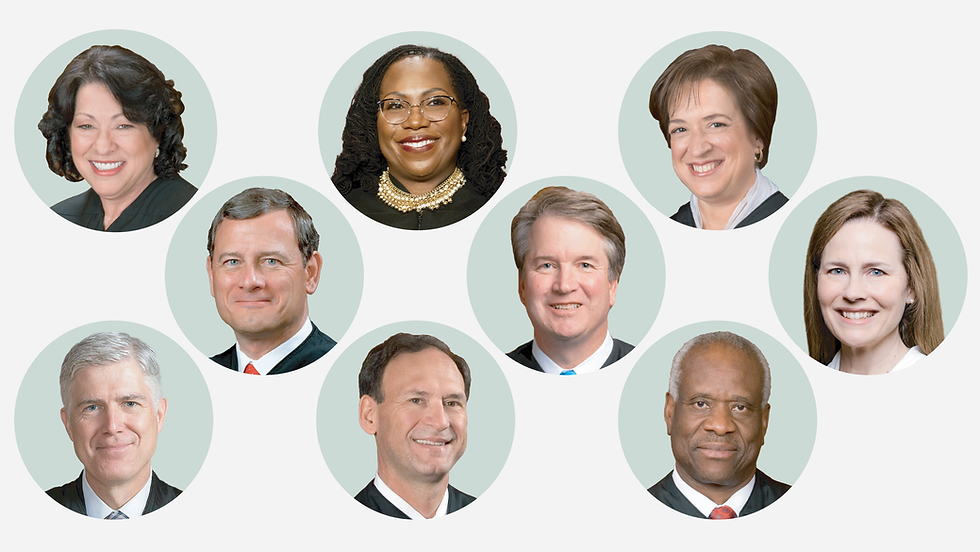
In Louisiana v. Callais, the Supreme Court ruled 6-3 that Louisiana’s map creating a second majority-Black district was an unconstitutional racial gerrymander. Justice Alito emphasized that race cannot predominate over traditional districting principles.

These visuals show the contested Louisiana maps before and after the ruling—compact communities vs. elongated, race-driven districts.
Impact on the 2026 Midterm Elections
The April 29 ruling lands just months before the November 2026 midterms, and its effects are already rippling through congressional map battles nationwide.
By striking down Louisiana’s race-engineered map, the Court forces a redraw that is expected to eliminate one safe Democratic seat. Louisiana’s delegation could shift from a 4-2 split to a more Republican-friendly 5-1 configuration. Several other GOP-led states are now eyeing special sessions to adjust their own maps in light of the new precedent.
Nationally, this is a clear strategic win for Republicans in the fight to hold or expand their slim House majority. The decision raises the bar for Voting Rights Act challenges that previously forced the creation of additional majority-minority districts. Fewer race-predominant districts means fewer reliably Democratic seats in the South and elsewhere—directly improving GOP prospects in the 2026 cycle and beyond.

It should be noted that Virginia's redistricting efforts have been stayed and will be reviewed by the Virginia Supreme Court - it may not be passed in time for the upcoming midterm election
Why California’s Maps Were Left Untouched — The Critical Distinction
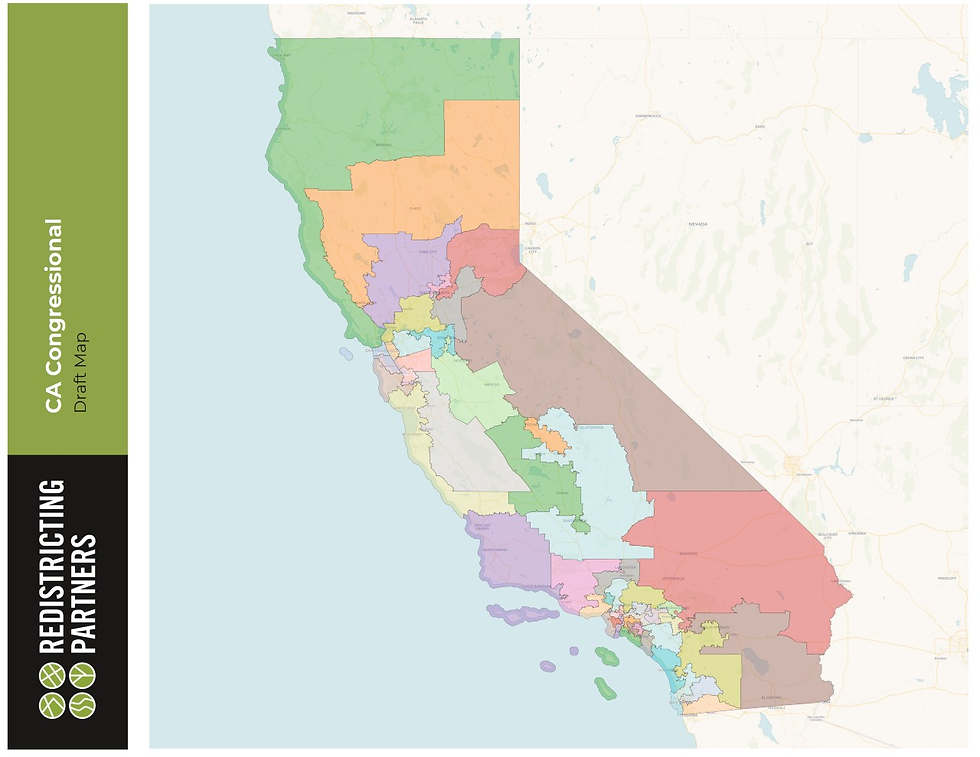
It’s important to note that the Supreme Court did not overturn California’s new congressional maps approved under Proposition 50 earlier this year. Those maps remain in place and are projected to deliver Democrats as many as five additional House seats.
Here’s the key legal difference:
Louisiana was struck down for racial gerrymandering — when race becomes the predominant factor in drawing district lines, violating the Equal Protection Clause of the 14th Amendment.
California’s Prop 50 maps are primarily partisan gerrymandering — drawn aggressively for pure political advantage. Since the 2019 Rucho v. Common Cause decision, the Supreme Court has ruled that excessive partisan map-drawing is a “political question” that federal courts will not police.
In February 2026, the justices issued a brief order rejecting the GOP emergency challenge to California’s maps. They have not issued a full opinion declaring the maps unconstitutional because the core issue is partisan advantage, not unconstitutional racial predominance.