
Did Special Interest Lobbying Groups Influence Policy Decisions in the White House?


WASHINGTON — A series of high-profile moves inside the Trump administration this month has drawn fresh attention to tensions between the Make America Healthy Again (MAHA) agenda and longtime political operatives, after former Health and Human Services senior adviser Calley Means publicly accused then-White House Chief of Staff Susie Wiles of impeding key health reforms.
Means resigned from his HHS role in late October. On Nov. 6, he appeared on “The Joe Rogan Experience” (episode #2578) and described a concentrated group of White House aides, centered on Wiles, as having blocked or slowed efforts to reduce glyphosate exposure on crops, remove fruit-flavored vaping products from the market that appeal to children, and to establish a federal definition of ultra-processed foods that could limit their presence in school lunch programs and other nutrition policies.
Means, a key figure in the MAHA movement who worked closely with HHS Secretary Robert F. Kennedy Jr., said Wiles’ prior role as a partner at the lobbying firm Ballard Partners and the recent growth of a lobbying firm involving her daughter created conflicts. He described policies he viewed as favorable to pesticide, sugar, and related industries advancing while MAHA priorities stalled, and he claimed midterm fundraising needs were cited as a reason. He also alleged that an executive order treating glyphosate-based herbicides as a national-security matter and related legal positions were advanced with limited input from Kennedy’s team.
Ballard Partners and a spokesperson for Wiles have strongly denied the accusations. Brian Ballard stated that no one at the firm lobbied or communicated with Wiles or West Wing staff regarding the glyphosate executive order, and that the firm’s work on vaping issues focused on illegal, unregulated products from China rather than authorizing fruit-flavored vapes. A Wiles spokesperson called Means’ claims “outrageous, defamatory, and provably false.”
In response, Means posted a public request that Wiles, Ballard Partners, Continental Strategy (the firm linked to her daughter), and related parties preserve communications, meeting records, lobbying materials, and other documents concerning the policies discussed in the interview.
On the same day the Rogan episode was released, President Donald Trump announced that Wiles would leave the chief of staff role and move to his political operation, with Deputy Chief of Staff Stephen Miller becoming chief of staff effective Nov. 9. Reporting has primarily tied the change to Republican losses in the midterm elections, in which the party lost control of both chambers of Congress; Wiles submitted her resignation the evening before the podcast aired. Trump described her service positively and called Miller one of his most trusted advisers.
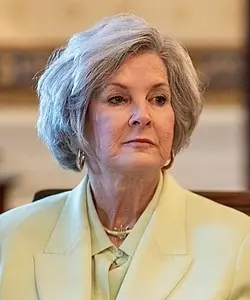

Kennedy, in a statement posted the day of the staff announcement, credited Wiles with brokering his partnership with Trump in July 2024, spearheading the successful campaign, overseeing the transition, and helping bring leaders into HHS. He expressed gratitude for her leadership and friendship.
The competing accounts leave key questions unresolved. Means has framed the disputes as evidence that special interests retained influence over policy decisions central to the MAHA agenda voters supported. Wiles, Ballard Partners, and others have rejected those characterizations as false and have pointed to the administration’s broader record on health issues. No independent adjudication of the specific internal claims has occurred, and the primary reported driver of the chief-of-staff change could have been the midterm results rather than the podcast.
If Wiles or other senior aides functioned as gatekeepers who systematically delayed or redirected health reforms during her tenure, supporting or contrary evidence is likely to surface through public records, further disclosures, or formal proceedings. For now, the public record consists of Means’ detailed on-the-record allegations, categorical denials from the parties he named, and the concurrent personnel shift at the White House. Shasta Unfiltered will continue to follow developments on these health-policy and transparency questions as additional information becomes available.


