
California Voter ID Initiative: Key Updates

Here’s a clear, easy-to-follow breakdown of what the initiative means for you.
What Is the California Statewide Voter ID Initiative?
The initiative proposes simple changes to California’s voting process. It would require voters to show valid identification at the polls to enhance election security and reduce the risk of voter fraud.
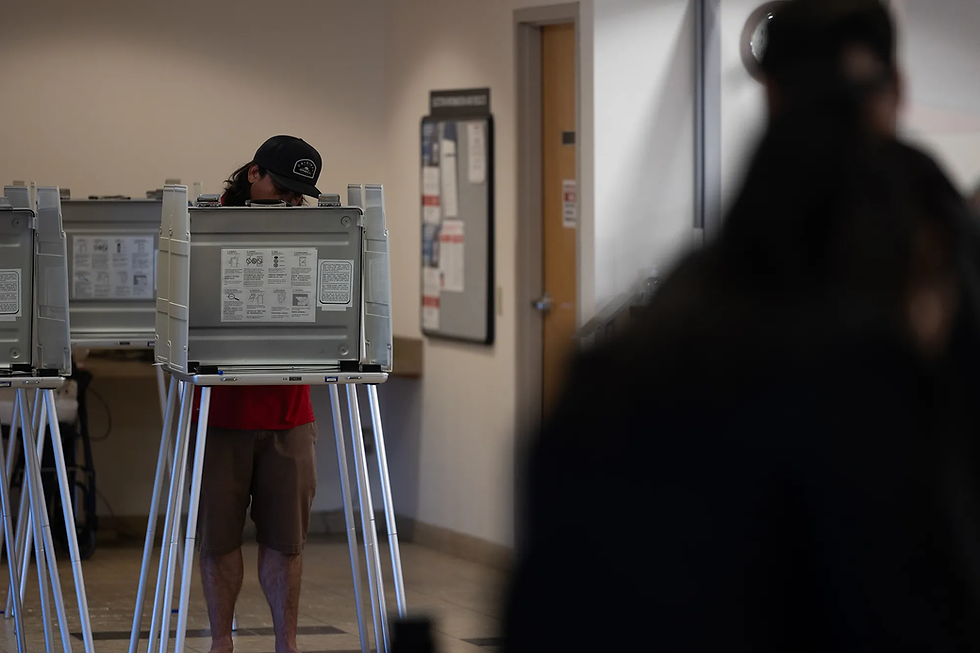
If passed by a majority of California voters on November 3, 2026, it will become an amendment to the California Constitution. That means it will take effect immediately and must be implemented statewide.
Key provisions include:
Government-issued photo ID for in-person voting
Last four digits of an ID for mail ballots
Citizenship verification for voter rolls
Other election integrity measures
Proponents say these steps are necessary to protect election integrity. Opponents worry they could make voting harder for some groups, such as the elderly, minorities, or low-income voters who might struggle to obtain an ID.
Important Distinction for Shasta County: This Is Not Measure B
The statewide California Voter ID Initiative is completely separate from Measure B, which appears only on the June 2026 ballot for Shasta County residents.
Measure B is a local county charter amendment.
It would not become statewide law.
The two measures affect different areas and have different rules.
Recent Developments
Signature verification for the statewide initiative is nearly complete. Proponents submitted far more valid signatures than the required number.
Certification by the California Secretary of State is expected in the coming weeks. Once certified, the measure will officially appear on the November 3, 2026, statewide ballot.
If approved, the state would then create guidelines for acceptable IDs, set up provisional ballots for voters without ID, offer free voter ID cards, and launch outreach campaigns (including multilingual materials).
How It Could Affect Voter Turnout and Accessibility
A common concern is whether voter ID rules reduce turnout. Notably, a majority of U.S. states already have some form of Voter ID law on the books, and there is no evidence these laws have an adverse effect on voter turnout.

In California, effects could vary by location:
Urban areas with good resources may see smooth implementation.
Rural areas might face challenges due to fewer DMV offices or transportation issues.
Elderly voters without current driver’s licenses may need help getting an ID.
The initiative itself requires the state to provide free voter ID cards and support outreach if it passes. This aims to balance security with accessibility.
Practical steps to prepare (in case it passes):
Check the expiration dates of your current IDs.
Apply early for a free voter ID card once the law takes effect.
Stay informed through official channels.
Encourage family and friends to do the same.
Arguments For and Against the Initiative
For the Initiative
Improves election security by reducing impersonation and fraud.
Boosts public confidence in election results.
Creates a uniform, simple standard for all voters.
Access to most State and Federal benefits already requires some form of ID.
Against the Initiative
Could disproportionately affect minorities, the elderly, and low-income voters.
Obtaining an ID may be costly or difficult for some people.
Critics claim that voter fraud in California is already extremely rare.
The initiative’s overall success would depend on how well the state balances accessibility with election integrity.
Preparing for the Changes: What You Need to Know Right Now
No new voter ID requirements are in effect today. California’s current law still does not require a photo ID for most voters.
Changes would only begin if the measure passes in November 2026.
Even so, it’s smart to:
Verify that your current ID is up to date.
Understand how provisional ballots work (they already exist in some situations).
Follow official announcements from the Secretary of State.
With respect to Measure B, if passed by Shasta County voters, the implementation timeline is difficult to predict. Certain aspects of Measure B conflict with current California state laws, which may result in legal challenges to all or part of it.
Final Thoughts
The California Voter ID Initiative could mark a significant shift in how elections are run in the state. It aims to strengthen trust in the voting process while raising important questions about fairness and access.
By staying informed, you can make sure your voice is heard—no matter how the election turns out.
For the latest official updates, check the California Secretary of State’s website or trusted local news sources. Your vote matters, and understanding the rules is the first step to making it count.


