
UK's Tumultuous Elections: Labour's Collapse, Reform UK's Populist Surge – What It Means for Britain and Lessons for the West

Britain is in the midst of a political earthquake. The May 2026 local elections delivered a humiliating defeat for Prime Minister Keir Starmer’s Labour government, while Nigel Farage’s Reform UK delivered a stunning populist breakthrough. Recent developments, including a high-profile by-election, have intensified pressure on Starmer and raised urgent questions about the future direction of the United Kingdom.
For readers in Shasta County and across America watching from afar, these events carry clear echoes of our own political realignments — voter frustration with elite policies on borders, spending, energy, and cultural issues. Here are the facts, the context, and clear-eyed analysis of what lies ahead.

Labour’s heavy losses.
The Facts: May 2026 Local Elections Delivered a Fragmented Realignment
Across England’s 136 councils (5,066 seats contested), the results were stark:
Reform UK achieved a historic surge, gaining approximately 1,451–1,452 councillors (now holding around 1,454 total) and taking outright control of 14 councils. Their projected national equivalent vote share reached 26–27%, topping the fragmented field.

Labour suffered a collapse, losing roughly 1,496–1,498 councillors and control of about 38 councils. Their projected vote share fell to 15–17%.
Conservatives also bled seats (net loss of ~563), finishing with around 801 councillors.
Greens gained significantly (~411 seats), while Liberal Democrats made modest progress.
Many councils ended in no overall control, underscoring deep fragmentation. Reform performed especially strongly in high-Brexit-support areas and traditional Labour heartlands in the North.
Why the Upheaval? Voters Rejected the Status Quo
Starmer’s government faced backlash over stagnant growth, high energy costs tied to net-zero policies, persistent high immigration, and perceptions of cultural disconnect. Reform UK, led by the ever-combative Nigel Farage, capitalized with a clear “Britain First” message: strict border control, ending cheap foreign labor, scrapping net-zero burdens on bills, tax relief, and putting British citizens ahead of globalist priorities.
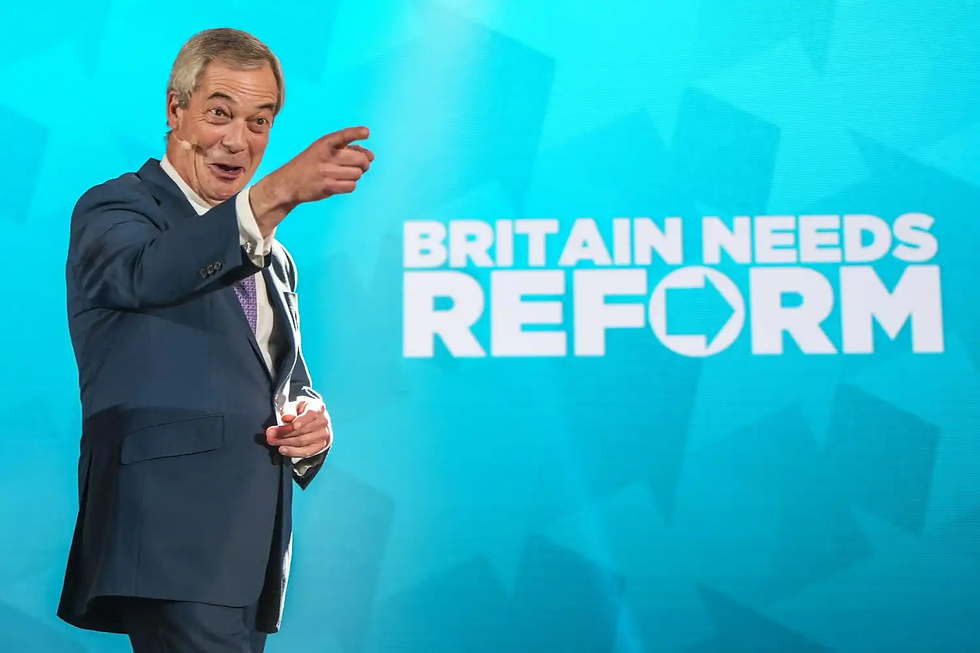
Farage hailed the results as a “truly historic shift.” Reform’s gains came at the expense of both major parties, reflecting widespread disillusionment similar to the forces that propelled Donald Trump and the MAGA movement in the United States. Reform is frequently described as Britain’s closest equivalent to MAGA — right-wing populist, anti-establishment, immigration-focused, and skeptical of elite institutions. Farage maintains close ties with Trump.
Watch: Nigel Farage’s post-election victory comments (Sky News):
Farage hails 'truly historic shift' after Reform gains
The Leadership Crisis: Starmer Under Siege — Timetable for Change & Commentary on Resignation
As of June 20, Starmer is weighing his future over the weekend amid intense cabinet and MP pressure. Cabinet loyalists have reportedly given him the weekend to set a timetable for his exit or face further action. He has vowed not to “walk away” and says he would fight any leadership contest. However, allies of Burnham are pushing for an orderly transition, with some hoping for resolution before Parliament’s summer recess (around mid-July) or by September. Unlike the U.S., the Prime Minister in the UK is not selected through a vote of the people. It occurs through a series of parliamentary procedures.
Commentary on whether Starmer will step down: Pressure is extremely high, and prediction markets give a strong chance of him being out by Monday June 21, 2026. Many insiders expect an announcement soon — possibly as early as Monday — either a resignation or a clear handover plan. An orderly exit (with Burnham or another successor) is favored to avoid chaos, but Starmer’s stubbornness means a contested leadership battle remains possible if he digs in. Labour’s rules require 20% of Members of Parliament (MPs) to trigger a formal challenge, and Burnham appears to have the support. A prolonged fight would damage the party further ahead of the next general election. Most analysts see some form of departure as inevitable in the coming weeks, given the scale of the local election rebuke and Burnham’s strengthened position.
Expert Analysis: What’s in Store for UK Citizens and Key Policy Shifts
Britain faces a period of volatility but also potential realignment toward more sovereign, citizen-focused governance — trends conservatives on both sides of the Atlantic should watch closely.
Short-to-medium term outlook:
A leadership change in Labour could stabilize the government temporarily but is unlikely to reverse underlying voter discontent.
Reform’s rise acts as a powerful opposition force, pulling policy debate rightward even without holding national power.
Expect heightened focus on borders, energy costs, and cultural issues. Fiscal caution will likely persist under any new Labour leader (Burnham has backed existing spending rules), but populist pressure will demand relief for working families.
Key policy areas likely to reshape:
Immigration: This is the clearest area of change. Reform demands radical action — leaving the ECHR, mass deportations of illegal entrants, ending Indefinite Leave to Remain (replaced by renewable high-salary visas), and prioritizing British workers. Labour has already tightened some visa rules; expect accelerated enforcement, higher thresholds, and stronger rhetoric under Reform pressure. Full Reform policies are unlikely immediately, but meaningful tightening is probable.
Free Speech and Culture: Reform amplifies calls against “woke” overreach, cancel culture, and restrictions on expression. A new Labour leadership may adopt a more pragmatic tone, potentially reviewing online safety laws or school curricula. The Overton window is shifting toward greater openness on national identity and history.
Economy and Energy: Fiscal rules will constrain big spending, but Reform’s influence pushes for tax cuts (higher personal allowances), reduced bureaucracy, and scrapping net-zero policies that drive up household bills. Expect greater emphasis on domestic energy production, manufacturing revival, and “making work pay.” Growth-focused reforms could gain traction amid pressure to deliver tangible results for voters.
Broader implications for UK citizens:
Britain may move toward a more populist, sovereignty-focused consensus on borders and culture, even under a Labour government. This could mean slower net migration, relief on energy costs, and pushback against global institutions. However, internal divisions risk short-term gridlock or policy inconsistency. Long-term, continued Reform strength could force a genuine realignment — or even an early general election.
Parallels for America and the West: These events underscore that voters across the West are rejecting open-border policies, elite cultural experiments, and economic burdens from green agendas. The UK’s experience shows that sustained populist pressure can force even left-leaning governments to adapt — or face replacement. Shasta County readers will recognize the themes: secure borders, fiscal responsibility, and putting citizens first.
The coming weeks will be decisive. Starmer’s response this weekend could determine whether Britain sees an orderly transition or prolonged turmoil. One thing is clear: the old two-party dominance is fracturing, and populist voices demanding real reform are no longer on the margins. Political expert and the betting odds suggest that Starmer will step down and Andy Burnham (Labour Party) will become the next PM.
Shasta Unfiltered will continue tracking these developments closely. For local readers concerned about sovereignty, immigration, and government overreach, Britain’s story offers both cautionary lessons and reasons for cautious optimism.
Sources & Further Viewing:
Sky News election coverage and Farage reactions (links above).
BBC, Guardian, and Reuters reporting on results and leadership pressure.
Official Reform UK policy platform for detailed positions.
Images sourced from public news outlets for illustrative purposes.


