
Newsom "Breaks the Glass" - Just as Promised

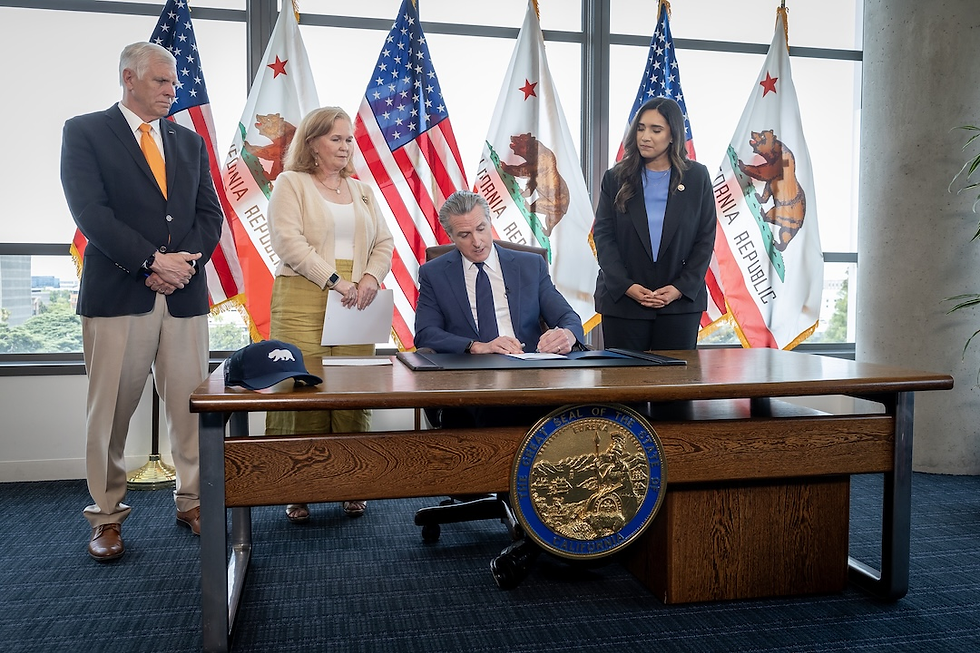
In a move that critics are calling a blatant power grab, California Governor Gavin Newsom has signed Senate Bill 73 into law just days before the June 2 statewide primary. The legislation, rushed through with an urgency clause for immediate effect, restricts law enforcement access to ballots, voter rolls, and voting systems — effectively centralizing oversight under Democrat-controlled state offices.
According to Ramin’s breakdown, this isn’t about protecting elections from imaginary threats. Newsom invoked “break the glass” scenarios earlier, only to sign this bill shortly after. The official narrative frames SB 73 as a defense against federal interference from the Trump administration or local “rogue” sheriffs. But as the video above highlights, the Trump administration had already stated that it had no plans to storm the polls — so who is this law really shielding?
What SB 73 Actually Does
The bill prohibits peace officers — including local sheriffs, district attorneys, and federal agents — from accessing or seizing election materials without a court order or explicit cooperation from elections officials. It makes unauthorized interference a felony.

In practice, this creates a near-monopoly on election oversight for Sacramento Democrats. Local law enforcement, elected by their communities, is sidelined. Critics argue this breaks the chain of independent checks that ensure ballots are legitimate.
The timing is impossible to ignore: signed just six days before the primary, following controversies over ballot handling in places like Riverside County.
Sheriff Chad Bianco and the Riverside Context:

Democrats have cited Sheriff Bianco’s past efforts to examine election materials as justification for the new restrictions. Many see SB 73 as a direct response aimed at preventing similar oversight in the future.
Legal Experts: This Law Won’t Survive Scrutiny — But It Doesn’t Have To
Multiple legal observers and Republican lawmakers have flagged serious constitutional concerns. The law appears to encroach on federal authority over federal elections and could conflict with existing statutes allowing law enforcement to investigate crimes.
Legal experts believe SB 73 will face swift challenges and is unlikely to stand the long term. Provisions that restrict legitimate investigations, centralize power in partisan hands, and potentially interfere with federal oversight raise red flags under both state and U.S. constitutions.
However, it will stand up long enough.
With the primary on June 2 and certification processes following shortly after, the law creates a critical window. By the time courts strike it down or issue injunctions, ballots will have been cast, counted, and certified under this restrictive regime. California’s mail-in heavy system, combined with limited independent scrutiny, raises familiar questions about transparency.
This is classic Sacramento strategy: pass the controversial measure, let it do its job during the vulnerable period, then let it fall if challenged. The “cheat,” as skeptics frame it, doesn’t need to be permanent — just effective for one more cycle.
Broader Context and What Comes Next
This fits a pattern. After Bianco’s ballot probe was halted, Democrats moved quickly to codify restrictions. Newsom and allies cite threats from Trump and “election deniers,” but many see it as insulating a system already criticized for lax verification and ballot harvesting.
For California voters, especially in conservative strongholds like Shasta County, the message is clear: trust the process run by the same officials who benefit from the outcomes — or else.
Ramin’s closing advice resonates: Don’t mail it in if you can help it. Walk it in, hand it to a human, and watch closely. In an era of eroded trust, vigilance is the only remaining safeguard.
California’s elections are supposed to belong to its people. SB 73 suggests the ruling class thinks otherwise — at least until the courts catch up. By then, the certification will be done.
Stay unfiltered. Demand transparency. Share this article and the video widely.
Sources:
Governor Gavin Newsom Official Press Release (May 27, 2026): gov.ca.gov
CalMatters: “California bans cops from seizing election ballots” (May 27, 2026)
CalMatters: “How Chad Bianco got warrants to seize CA election ballots” (April 2026)
CBS Sacramento / CBS News: Coverage of SB 73 signing and restrictions
California Legislative Information: SB 73 Bill Text and Status
ABC7 Los Angeles: Newsom signs bill to protect CA ballots


