
Karmelo Anthony Convicted of Murder in Frisco Track Meet Stabbing: Self-Defense Claim Rejected by Jury

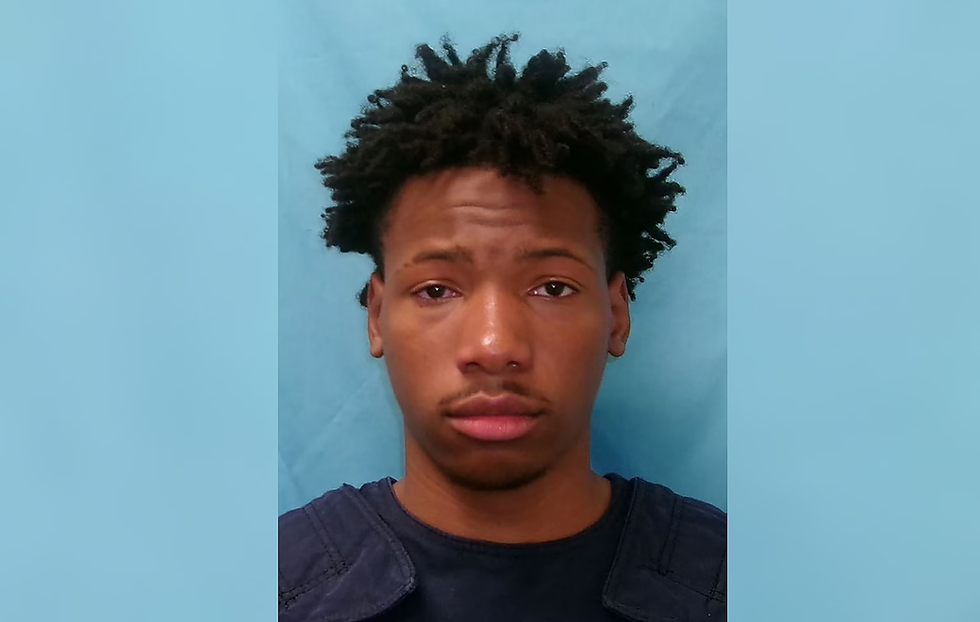
In a case that captured national attention and sparked heated debate over self-defense, race, youth violence, and accountability, a Collin County jury in Texas found 19-year-old Karmelo Anthony guilty of first-degree murder for the fatal stabbing of 17-year-old Austin Metcalf. The jury rejected Anthony’s claim of self-defense and sentenced him to 35 years in prison.
The incident occurred on April 2, 2025, at a district-wide track and field meet at Kuykendall Stadium in Frisco, Texas, amid rainy weather that delayed events and forced athletes to take shelter under tents.
Backstory and Initial Controversy

Karmelo Anthony, a student and captain of the football and track teams at Frisco Centennial High School, had reportedly been suspended previously for bringing a knife onto school grounds. On the day of the meet, he entered a tent belonging to athletes from rival Memorial High School (where the Metcalf twins competed) seeking shelter from the rain.
Austin Metcalf and his twin brother Hunter confronted Anthony, asking him to leave the rival team’s tent. Multiple witnesses described Anthony refusing to move, engaging in verbal provocation, cursing, and taunting the group. According to the arrest affidavit and witness accounts, Anthony reportedly said something to the effect of “Touch me and see what happens” while reaching into his backpack. Austin Metcalf then shoved or grabbed Anthony to remove him. Anthony pulled out a black utility knife and stabbed Metcalf once in the chest, piercing his heart. Anthony fled the scene but later turned himself in, acknowledging the stabbing while inquiring if it could be considered self-defense.

The case quickly polarized along racial lines—Anthony is Black, Metcalf was White—with some media and activists pushing narratives of racial injustice or bullying, while others highlighted Anthony’s decision to bring a knife to a school event, his refusal to leave, and the disproportionate use of deadly force against an unarmed teen. The tragedy fueled online debates, threats against both families, and discussions about stand-your-ground/self-defense laws in Texas.
Defendant’s Claim of Self-Defense
Anthony’s legal team argued that he acted in self-defense during a “split-second” moment of fear after being confronted, shoved, and potentially surrounded by larger teens from the rival team. They contended he faced an imminent threat and had no reasonable alternative but to use the knife he carried. Anthony did not testify in his own defense. Prosecutors countered that Anthony was the initial aggressor by refusing to leave, provoking the confrontation with words and actions, and responding to non-deadly force (a shove) with lethal force. Under Texas law, self-defense with deadly force generally requires an immediate threat of death or serious bodily harm, no provocation by the defendant, and no reasonable retreat option in some contexts—elements the jury ultimately found lacking.
Prosecution Witnesses and Key Testimony
Prosecutors called more than 20 witnesses, including numerous student athletes who were present under or near the tent. The consistent theme: Anthony was asked politely to leave multiple times, refused, escalated verbally, and stabbed Metcalf after a push without facing a deadly threat. The medical examiner testified that Metcalf was stabbed directly through the heart, a wound inconsistent with casual or defensive action. Surveillance video and other evidence, including the bloodied knife recovered from the scene, played a significant role.
Defense Witness Recants and Supports Prosecution
The defense called only three witnesses before resting its case. A key defense witness—a teenage student—provided testimony intended to bolster the self-defense narrative but faced intense cross-examination. The witness had previously told police he saw Anthony surrounded before the stabbing and possibly a punch. However, under questioning, he recanted key details. Prosecutors played surveillance footage showing the witness was not even looking toward the Memorial tent at the critical moment. The witness admitted inconsistencies, such as incorrectly stating Anthony was surrounded before the stabbing rather than after. Video evidence further challenged claims of a pre-stabbing assault on Anthony.
This recantation and alignment with the broader body of prosecution evidence (dozens of students describing no imminent deadly threat) undermined the defense’s position. The jury deliberated for roughly three hours before returning the guilty verdict.
Parents and Fundraising on a False Narrative?
The Anthony family launched a GiveSendGo fundraiser shortly after the incident, raising hundreds of thousands of dollars framed for legal defense, security, and family support. Social media rumors spread rapidly that the family used donations to buy a new house and car, prompting denials. Critics accused the family of promoting a false victim narrative to solicit donations—portraying Karmelo as targeted or bullied while downplaying his role as the aggressor with a knife. Regardless of the exact use of funds, the case highlighted how high-profile tragedies can generate significant financial support amid competing public narratives.
Verdict and Broader Implications

The jury’s swift rejection of self-defense sent a clear message: bringing a knife to a school-sanctioned event, refusing to de-escalate, and using deadly force in response to a shove does not qualify as justified self-defense under Texas law. Austin Metcalf’s family expressed relief and gratitude to the student witnesses who testified courageously.
This tragedy underscores ongoing issues with youth carrying weapons, the breakdown of basic conflict resolution, and the dangers of injecting racial politics into what witnesses described as a preventable confrontation. As Shasta Unfiltered has covered in local contexts, accountability, personal responsibility, and the rejection of victimhood narratives are essential—especially when lives are at stake.
Our thoughts are with the Metcalf family for their unimaginable loss. May justice bring some measure of peace, and may this case serve as a sobering reminder to parents, schools, and young people alike.


